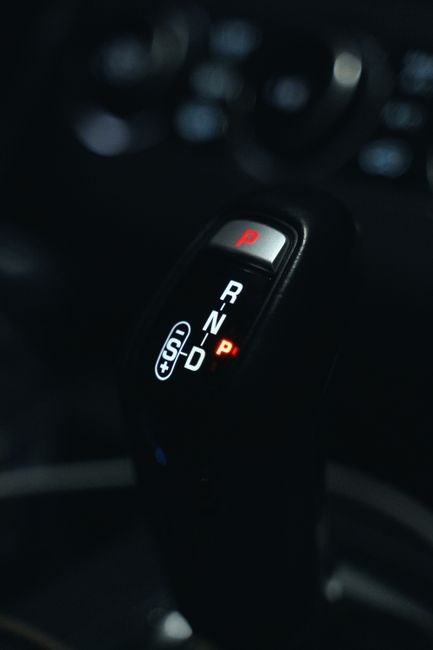
The C5 manual transmission offers drivers precise control and engaging driving dynamics. Built on a robust platform, it balances performance with reliability, delivering smooth gear changes and responsive power delivery for enthusiasts. More!.
Overview of the C5 Platform
The C5 platform, introduced in the early 2000s, represents a modular architecture designed for versatility across multiple vehicle types. Its core structure features a lightweight chassis, a reinforced tubular frame, and a modular suspension system that can be adapted for both front‑wheel and all‑wheel drive configurations. This adaptability allows manufacturers to offer a range of models—from compact city cars to robust SUVs—while maintaining consistent production efficiencies.
The platform also incorporates advanced electronic control systems, enabling precise engine‑transmission integration. This synergy delivers improved fuel economy, lower emissions, and enhanced handling dynamics. Additionally, the C5’s modularity supports rapid prototyping and cost‑effective updates, ensuring the platform remains relevant in a fast‑evolving automotive landscape.
Its longevity and proven reliability have made the C5 a staple in many global markets.
The C5 platform’s design focuses on modularity and durability, enabling easy integration of hybrid powertrains and systems. Lightweight construction with high strength materials cuts weight while preserving structural integrity, improving acceleration, braking fuel efficiency across varied driving conditions
Why Manual Transmission Matters
Manual transmissions remain a cornerstone of driving culture, offering a tactile connection between driver and machine that modern automatics often lack. The direct mechanical link allows enthusiasts to feel engine torque, shift timing, and gear engagement in real time, fostering a deeper understanding of vehicle dynamics. For many, the act of shifting becomes a skill that enhances confidence and enjoyment, turning routine commutes into engaging experiences. Moreover, manual gearboxes typically provide higher torque transfer efficiency, as they avoid the power losses associated with torque converters and complex hydraulic systems. This efficiency translates into better acceleration, very efficient in low‑speed urban environments where precise gear selection can improve responsiveness. In contexts, the ability to manually select gears enables drivers to keep the engine within its optimal power band, maximizing horsepower output and reducing lag. Additionally, manual transmissions often have a lighter weight and simpler construction, which can reduce overall vehicle mass and improve handling. From a maintenance perspective, manuals are easier to service, with fewer components and straightforward diagnostics. This can lower long‑term ownership costs and increase vehicle longevity. Finally, the psychological appeal of manual driving—control, engagement, and mastery—continues to attract a dedicated segment of drivers who value the authentic, hands‑on experience that only a manual gearbox can deliver. It delivers unmatched engagement.
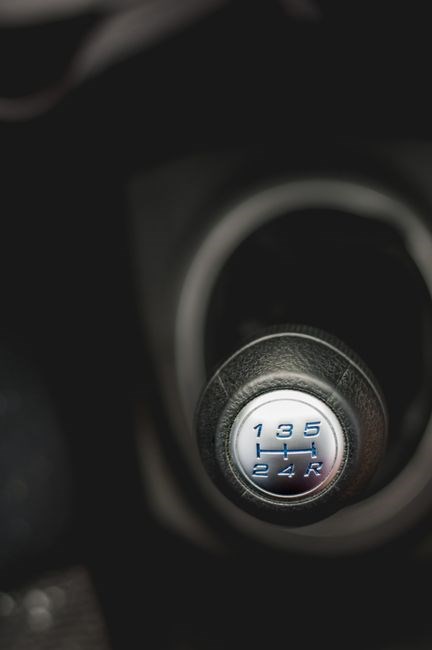
Anatomy of a C5 Manual Gearbox
The C5 manual gearbox comprises a robust case, synchronizers, gear sets, shift forks, and a durable clutch assembly. Its design prioritizes smooth engagement, precise gear ratios, and reliable torque transfer for optimal performance. drivers!!!
Gearbox Components
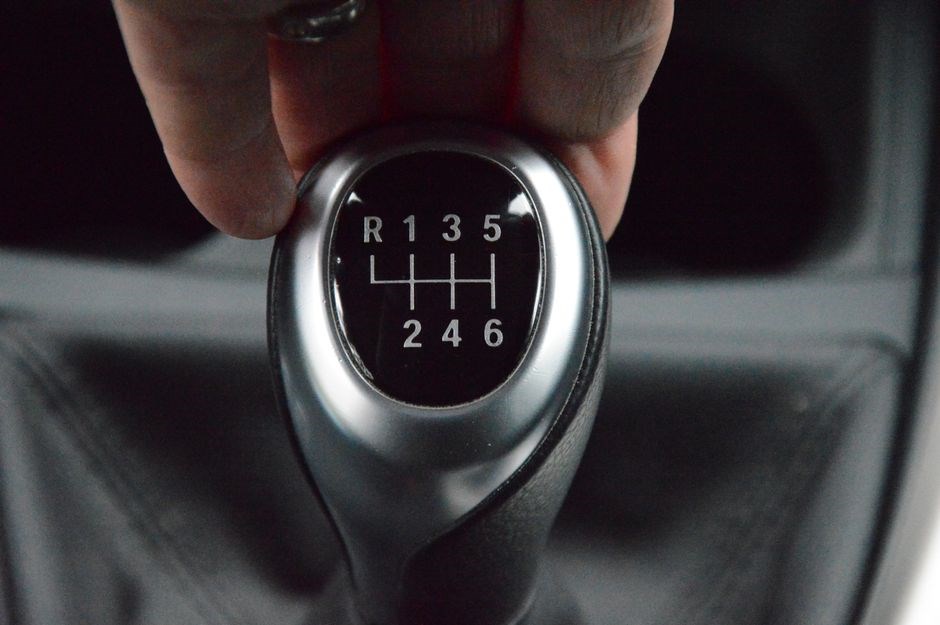
Within the C5 manual transmission, the gearbox is a meticulously engineered assembly of interlocking parts that work in concert to deliver power from engine to wheels. At its core lies the gear case, a robust metal shell that houses the pinion, ring gears, and intermediate shafts. The pinion, a small gear mounted on the input shaft, meshes with the larger ring gear to transfer rotational motion. Between these primary gears, a series of overdrive and reduction gears provide the necessary torque multiplication for different driving conditions.! Shift forks, mounted on the gear case, slide along synchronizer rings to lock the selected gear into place. The clutch assembly, comprising the pressure plate, release bearing, and clutch disc, sits between the engine flywheel and the input shaft, allowing disengagement. The gearbox also includes a shift lever linkage that translates driver input into mechanical motion, and bearings that support rotating components. Finally, the transmission fluid reservoir filters and lubricates, reducing wear and heat buildup. Together, these components form a cohesive system that balances durability and performance.
Gear Ratios and Their Significance
The gear ratios in a C5 manual transmission dictate how engine power is translated into wheel torque and speed. A lower first‑gear ratio provides high torque for acceleration, while higher ratios in later gears reduce engine RPM for fuel efficiency. The spread between ratios affects shift feel and overall performance. In the C5,the ratio sequence is carefully calibrated to match the engine’s torque curve, ensuring that each gear engages smoothly and that the engine operates within its optimal power band. Drivers can feel the impact of these ratios during spirited driving, as the gearbox delivers predictable bite and maintains engine speed during acceleration. Additionally, the ratio layout influences the vehicle’s responsiveness to throttle input, making the C5’s manual a rewarding choice for those who value precise control and engaging driving dynamics. Engine‑to‑wheel ratios also determine the vehicle’s top speed, as the final drive ratio interacts with the gear ratios to set the maximum achievable speed at a given engine RPM. Understanding these ratios allows drivers to select the appropriate gear for varying road conditions, balancing performance and economy. Mastering the C5’s gear ratios enhances driving fast pleasure and mech sympathy !

Manual Transmission in the C5 Series
The C5 series showcases a refined manual gearbox that blends durability with driver engagement. Its design prioritizes smooth shifting, robust construction, and compatibility with various powertrains, making it a benchmark for enthusiasts dailydrivin
Historical Evolution
The evolution of the C5 manual transmission reflects decades of engineering refinement, driven by changing performance demands and regulatory pressures. Initially, the C5 gearbox was a straightforward 5‑speed unit, built with a conventional gear train and a simple synchromesh system that prioritized reliability over sportiness. As the automotive landscape shifted toward higher torque outputs and stricter emissions standards, manufacturers began integrating lightweight materials such as aluminum housings and forged steel gears to reduce mass and improve efficiency. The introduction of a 6‑speed variant in the early 2000s marked a significant milestone, offering tighter gear ratios that enhanced acceleration while maintaining fuel economy. Concurrently, electronic clutch actuators were phased in, providing smooth engagement and reducing driver fatigue. The latest iteration features a hybrid system that blends manual control with torque management, allowing for rapid gear changes without sacrificing the tactile feedback prized by enthusiasts. Throughout its history, the C5 manual has also seen incremental improvements in synchronizer design, with multi‑stage synchronizers enabling up‑shifts under high load condition.
Common Models and Variants
Within the C5 family, several gearbox configurations have become staples across different powertrains. The base 5‑speed manual, often labeled the C5‑M5, is found in entry‑level models and prioritizes durability with a robust gear set and a conventional synchromesh layout. A step up, the C5‑M6, introduced in the mid‑2010s, added a sixth gear to provide smoother cruising and better fuel efficiency, especially on high‑output engines. For performance‑oriented variants, the C5‑M6‑Sport incorporates a lighter aluminum housings, upgraded synchronizers, and a shorter throw clutch for quicker engagement. In hybrid‑equipped vehicles, the C5‑M6‑Hybrid features a dual‑clutch interface that allows seamless transition between electric torque and engine power, reducing shift times. Finally, the C5‑M8, a rare but powerful option, offers an eight‑speed manual with close ratios designed for racing applications, delivering maximum acceleration while maintaining precise driver control. These models illustrate the adaptability of the C5 platform to diverse market demands. These configurations provide a versatile foundation for both everyday driving and spirited performance, allowing owners to tailor gear ratios and shift feel to their preferences now.
Performance and Handling
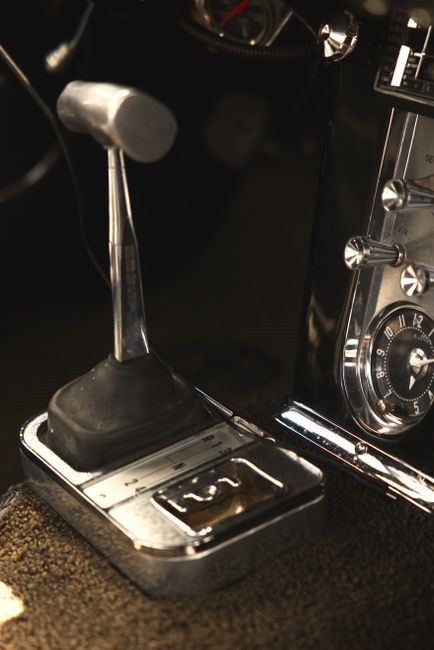
The C5 manual offers crisp shifts, precise throttle response, and balanced torque, enhancing cornering stability. Its lightweight design reduces drivetrain inertia, boosting acceleration and driver engagement. It also smooths high‑speed rides.
Shift Quality and Feel
In the C5 manual, shift quality is a blend of mechanical precision and driver perception. The clutch lever’s bite point is calibrated to give a firm yet smooth engagement, minimizing shock during gear changes. Synchromesh rings are forged from high‑strength alloy, ensuring rapid alignment of gear teeth and reducing chatter. The gear selector lever is engineered with a lightweight pivot, providing tactile feedback that lets drivers feel the exact moment of engagement. Each gear shift presents a distinct resistance profile: first gear offers a slight give to accommodate low‑speed torque, while higher gears deliver crisp, almost audible clicks that confirm proper alignment. The gearbox housing is sealed to reduce internal noise, and the oil flow is optimized for cooling, preventing heat buildup that could degrade synchronizer performance. Drivers report that the C5’s shift feel is consistent across the entire range, with no noticeable drag or hesitation. The combination of a well‑tuned clutch, robust synchronizers, and ergonomic lever design creates a driving experience that is both engaging and reliable, making the C5 manual a favorite among enthusiasts who value precise control and a responsive feel. Smooth gear engagement boosts driving enjoyment al.
Torque Management
Torque handling in the C5 manual gearbox is engineered to balance power delivery with mechanical longevity. The gearbox uses a multi‑plate clutch that distributes torque evenly across plates, reducing peak load on any single component. This design allows the transmission to absorb sudden engine surges without compromising shift integrity; Gear ratios are selected to keep engine RPM within an optimal range, preventing over‑revving while maintaining acceleration. The synchronizers are forged from high‑strength steel, providing smooth engagement even under high torque conditions. During aggressive driving, the gearbox’s internal oil flow remains consistent, ensuring adequate lubrication and cooling. The torque converter’s lock‑up feature engages at higher RPMs, locking the input and output shafts together for maximum efficiency. This reduces slip and improves fuel economy. The C5 manual also incorporates a torque‑limiting feature that protects the gearbox from overload during sudden acceleration or towing. When the engine exceeds a preset torque threshold, the system automatically shifts to a higher gear to keep torque within safe limits. This proactive management extends gearbox life, ensures smooth operation efficientlykeeps performance steady now. Drivers can feel the seamless transition between gears, with minimal resistance, thanks to the precise calibration of clutch engagement and gear meshing. The result is a transmission that delivers strong, responsive power while safeguarding its internal components.
Maintenance and Troubleshooting
Regular checks keep the C5 manual running smoothly. Inspect clutch wear, fluid levels, and gear linkage. Replace worn synchros, adjust shift points, and service the gearbox oil every 30,000 miles. Prompt repairs prevent costly damage. Check soon.
Regular Inspection Checklist
Performing a systematic inspection of the C5 manual gearbox ensures longevity and reliability. Begin with the clutch system: check the clutch pedal free‑play, inspect the release bearing for noise, and verify hydraulic fluid levels and pressure. Next, examine the gear linkage: ensure all cables and rods are properly tensioned, free of corrosion, and that the shift lever moves smoothly through all gears. Inspect the gearbox housing for leaks, dents, or cracks, and confirm that the seal integrity remains intact. Verify the condition of the gear synchronizers by engaging each gear; a smooth, audible click indicates proper operation, while grinding suggests wear. Check the shift drum and selector fork for wear marks or deformation. Inspect the input and output shafts for proper alignment and bearing wear, using a dial indicator if necessary. Confirm that the gear oil is clean, at the correct level, and has the manufacturer’s recommended viscosity. Finally, test drive the vehicle, paying attention to shift quality, clutch engagement, and any abnormal noises. Document all findings and replace any components that do not meet specifications to prevent future failures;
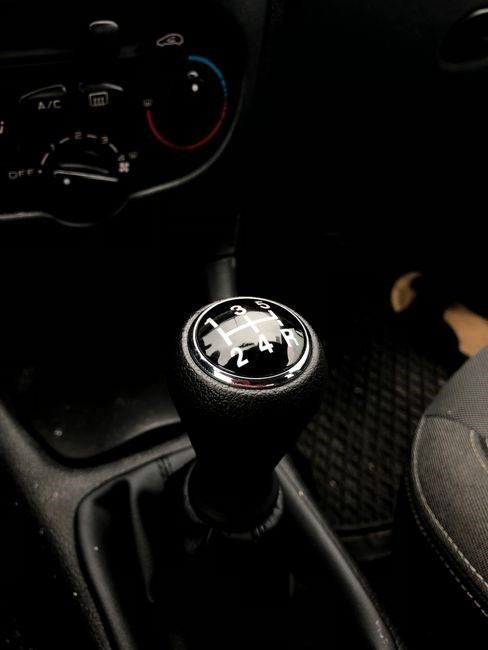
Inspect the knob for wear, confirm the interlock system, and torque mounting bolts properly to spec. Inspect every 15,000 miles or after significant mileage; keep a log for reference.
Common Issues and Fixes
Clutch slippage: Inspect the clutch disc for wear and replace if the pedal feels spongy or the engine revs without acceleration. 2. Gear engagement noise: Check synchronizers; replace worn rings to restore smooth shifting. 3. Fluid leaks: Inspect the input shaft seal and replace if oil drips. 4. Shift drum wear: Replace the drum and selector fork if the lever feels loose. 5. Misalignment: Use a dial indicator to verify shaft alignment and correct any deviation. 6; Over‑torqued bolts: Re‑torque all mounting bolts to spec after any repair. 7. Contaminated gear oil: Flush and replace oil with the correct viscosity. 8. Faulty release bearing: Replace if it produces a whining sound. 9. Corroded shift cables: Clean or replace cables to ensure proper linkage. 10. Improper fluid level: Top up with manufacturer‑recommended fluid and check for correct pressure. Regular inspection and timely replacement of these components prevent costly failures and keep the gearbox running smoothly.
Additionally, monitor the clutch pedal for glazing. If the gearbox whines during shifts, check synchronizer rings for wear. Use gear oil and keep fluid level within range to avoid overheating torque and maintain torque. torque
Upgrades and Mods
Enhance shift feel with light shifters, upgrade synchronizers for smoother gear changes, install a shortthrow kit for quicker engagement, and consider a higher‑strength clutch for increased torque handling. Add a short‑throw shifter for engagementnow!.
Performance Shifters
Performance shifters upgrade the C5 manual by reducing shift effort and enhancing engagement. A short‑throw lever shortens the travel distance, allowing faster gear changes and a more responsive feel; Many aftermarket shifters feature a lighter‑weight construction that decreases inertia, improving launch times and overall acceleration. The ergonomic grip improves driver comfort, especially during long drives or spirited sessions. Installation is straightforward: swap the stock lever, align the new shifter, and secure it in place. Compatibility must be verified to match the gearbox geometry, ensuring proper gear engagement and preventing premature wear. Pairing a performance shifter with a short‑throw kit can create a synergistic effect, delivering a smoother, more aggressive shift feel while maintaining reliability. Enthusiasts appreciate the increased precision and the tactile feedback that comes from a well‑chosen shifter. The result is a more engaging driving experience that satisfies both everyday commuters and track‑day aficionados alike. For those seeking precision, a custom shifter kit with a carbon‑fiber shifter bar and a short‑throw lever can reduce shift times, offering a tactile, race‑ready feel that elevates every drive!.
Synchromesh Enhancements
Synchromesh components are critical for smooth gear engagement in the C5 manual gearbox. Upgrading the synchronizers can reduce gear clash, improve shift feel, and extend clutch life. High‑performance synchronizers use advanced alloys and precision machining to match the gear train’s shifting dynamics. When the synchronizer rings are replaced, the driver experiences a noticeable reduction in shift effort, especially when shifting under load or during aggressive driving. Many enthusiasts opt for a full synchronizer kit that includes improved bearings, upgraded seals, and a new shift fork. This kit not only enhances the tactile feel but also reduces wear on the gear teeth. Installation typically involves removing the gearbox cover, extracting the old synchronizers, and installing the new ones with a torque‑controlled tool. Proper alignment is essential to avoid premature wear. After installation, a short break‑in period allows the new synchronizers to seat correctly. The result is a gearbox that feels more responsive, with fewer gear jumps and a smoother overall shift pattern. For those who demand the highest level of performance, a custom synchronizer set can be matched to the specific gear ratios of the C5 platform, providing a refined and precise driving experience that meets the expectations of both daily drivers and track enthusiasts alike. This upgrade reduces maintenance costs and delivers experience for C5 enthusiasts all
and Future Outlook
After exploring the intricacies of the C5 manual gearbox, it is clear that this transmission remains a cornerstone for drivers who value engagement and control. The blend of robust construction, precise gear ratios, and adaptable maintenance options ensures that the C5 manual can continue to perform well in both everyday use and spirited driving scenarios. Looking ahead, manufacturers are already experimenting with lightweight materials and electronic shift aids that could further refine shift quality without sacrificing the tactile feel that enthusiasts cherish. Hybrid powertrains may also integrate manual gearboxes, offering a unique combination of efficiency and driver involvement. Additionally, the growing aftermarket scene promises a range of performance upgrades—from high‑strength synchronizers to custom shift kits—allowing owners to tailor the gearbox to their specific needs. In sum, the C5 manual transmission stands at a crossroads where tradition meets innovation and its future will likely be shaped by engineering advances and the passion of its community. Whether you prefer the classic feel or the next generation of shift technology, the C5 manual remains a compelling choice for those who demand both performance and personality.
 solving logarithmic equations worksheet with answers pdf
  douglas lake fishing guide
  hop on hop off bus london route map pdf
  minna no nihongo japanese pdf
  c5 manual transmission
  arithmetic sequences worksheet with answers pdf