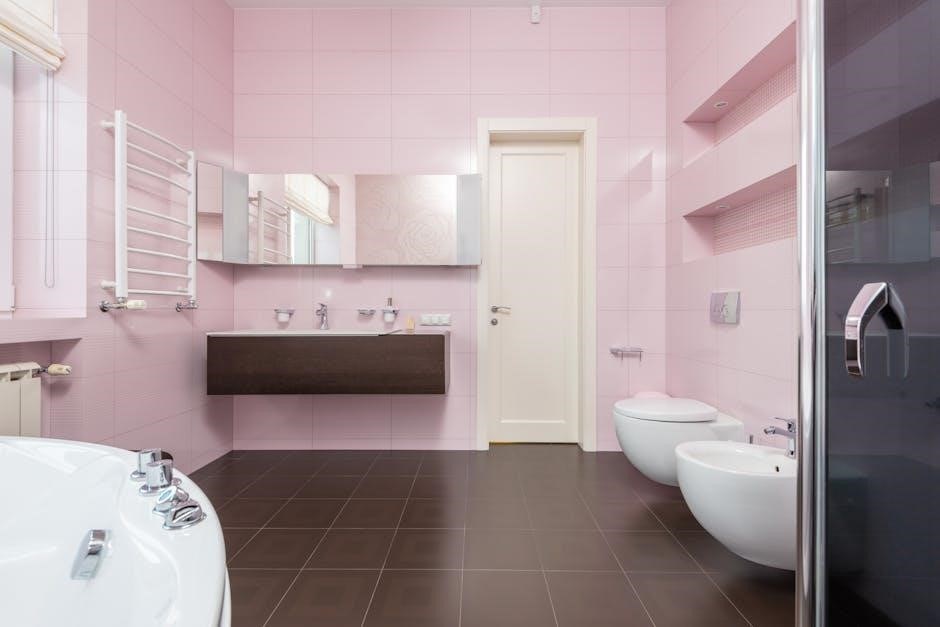
Sliding shower door bottom guides are essential for smooth operation and water containment. They prevent doors from sticking and ensure proper alignment, addressing common issues like water leakage and poor functionality. This guide explores their importance, types, installation, and maintenance to enhance your shower experience.
1.1 Purpose and Importance of Bottom Guides
Bottom guides are crucial for sliding shower doors, ensuring smooth operation and proper alignment. They prevent doors from sticking or veering off track, addressing common issues like water leakage and poor functionality. By maintaining door stability, they enhance safety and user experience, while also protecting the bathroom from water damage. Regular maintenance of these guides is essential to uphold their effectiveness and longevity, ensuring a seamless showering experience.
1.2 Common Issues with Sliding Shower Doors
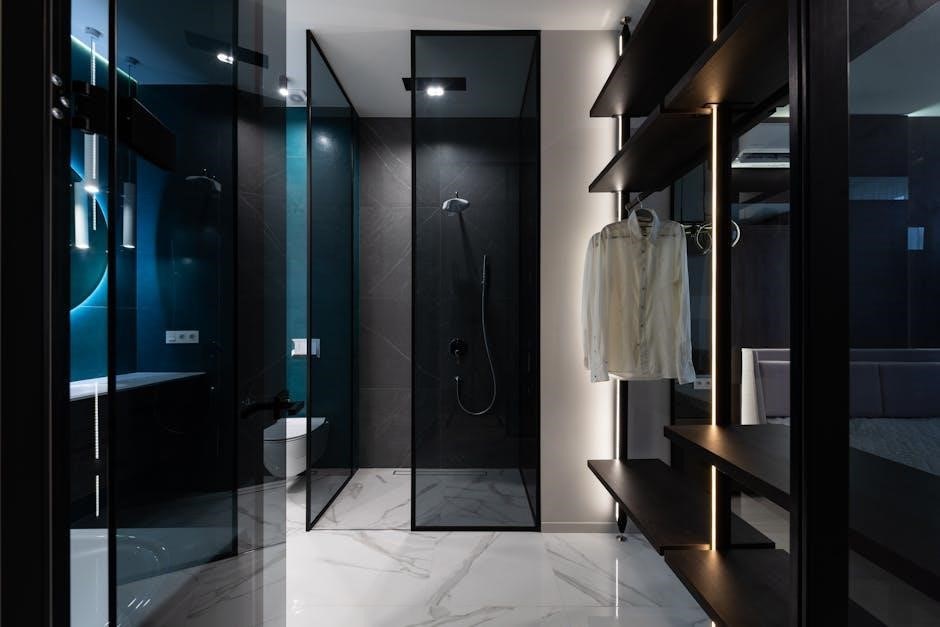
Sliding shower doors often face issues like sticking or difficulty in opening, requiring significant force. Water leakage is another prevalent problem, leading to damage and mold growth. Mineral deposits and soap scum buildup can hinder smooth operation, while misaligned doors may result from worn-out bottom guides. Addressing these issues promptly is essential to maintain functionality and prevent further complications, ensuring a safe and efficient showering experience.
Types of Bottom Guides for Sliding Shower Doors
Bottom guides come in fixed, adjustable, and replaceable designs, offering durability and versatility. Materials like plastic and metal ensure longevity, while adjustable guides provide customization for smooth door operation.
2.1 Fixed Bottom Guides
Fixed bottom guides are permanent fixtures installed along the bathtub or shower base. They provide stability and alignment for sliding doors, preventing water leakage. Made from durable materials like metal or high-quality plastic, these guides are ideal for framed shower doors. However, they lack adjustability, requiring precise installation. Once set, they offer long-term reliability but may need professional adjustment if issues arise. Their simplicity makes them a cost-effective solution for homeowners seeking a low-maintenance option.
2.2 Adjustable Bottom Guides
Adjustable bottom guides offer flexibility, allowing users to fine-tune the alignment of sliding shower doors. This feature is particularly useful for addressing uneven surfaces or door misalignment over time. Made from materials like metal or adjustable plastic, these guides often include screws or mechanisms for easy customization. They are ideal for framed or frameless doors, providing a snug fit that prevents water leakage. While slightly more expensive than fixed guides, their adaptability makes them a practical choice for long-term functionality and ease of maintenance.
2.3 Replaceable Bottom Guides

Replaceable bottom guides are a cost-effective solution for maintaining sliding shower doors. Designed to be easily swapped when worn or damaged, they prevent the need for replacing the entire door system. Made from durable materials like plastic or metal, these guides are ideal for addressing common issues like sticking doors or water leakage. Their modular design allows for quick installation, ensuring continued smooth operation. Regular inspection and timely replacement of these guides can significantly extend the lifespan of your sliding shower doors and maintain their functionality over time.
Installation and Adjustment of Bottom Guides
Proper installation and adjustment of bottom guides ensure smooth door operation and prevent water leakage. Align guides with the door track, secure them firmly, and test functionality.
3.1 Step-by-Step Installation Process
Begin by measuring and marking the shower floor for guide placement. Clean the area thoroughly to ensure proper adhesion. Apply adhesive or screws as instructed, aligning the guide with the door track. Secure firmly and let it set. Adjust the guide to fit the door’s bottom edge, ensuring smooth movement. Test the door by sliding it back and forth. Make final adjustments if necessary. Avoid common mistakes like misalignment or insufficient adhesive for optimal performance.
3.2 Tips for Proper Alignment
Ensure the bottom guide is centered and aligned with the shower door track. Use a level to confirm straight placement. Measure twice before securing to avoid misalignment. Test the door’s movement after installation to ensure smooth sliding. Adjust the guide slightly if the door catches or drags. Check that the door is evenly spaced at the top and bottom for proper fit. Use shims if necessary for minor corrections. Keep the area clean to prevent debris from affecting alignment. Regularly inspect and adjust for optimal performance and longevity.
3.3 Common Mistakes to Avoid
When installing bottom guides, avoid misaligning the track, as this can cause doors to stick or leak. Over-tightening may damage the guide or door. Ensure the surface is clean and dry before securing the guide. Incorrect measurements can lead to improper fit. Avoid using the wrong fasteners, which may not hold securely. Don’t skip testing the door’s movement post-installation. Ignoring manufacturer instructions can result in poor alignment. Regularly check for debris buildup to prevent functionality issues. Proper installation ensures smooth operation and longevity of the bottom guide.

Maintenance and Cleaning of Bottom Guides
Regular cleaning prevents soap scum and mineral buildup. Use vinegar and water to remove grime. Lubricate rollers for smooth operation. Inspect for wear and tear.
4.1 Cleaning Soap Scum and Mineral Deposits
Soap scum and mineral deposits can hinder the smooth operation of sliding shower doors. To clean, mix equal parts vinegar and water in a spray bottle. Apply the solution to the bottom guides and let it sit for 10 minutes. Use a soft brush or cloth to scrub away grime. For tough buildup, soak the guides in the solution for 30 minutes before cleaning. Regular maintenance prevents residue accumulation and ensures optimal functionality. Always rinse thoroughly with warm water to remove any cleaning solution residue.
4.2 Lubrication for Smooth Operation
Lubrication is crucial for maintaining smooth operation of sliding shower door bottom guides. Use a silicone-based spray or white lithium grease on the moving parts to reduce friction. Avoid oil-based lubricants, as they attract dust. Apply a small amount to the rollers or tracks, then wipe off excess with a clean cloth. Regular lubrication prevents sticking and ensures effortless door movement. For optimal results, lubricate every 2-3 months or when you notice resistance. This simple maintenance step extends the lifespan of your bottom guides and keeps your shower doors functioning smoothly.
4.3 Regular Inspection and Replacement
Regular inspection of sliding shower door bottom guides is vital for maintaining functionality. Check for wear, mineral buildup, or mold. Clean or replace worn-out parts promptly. If guides are damaged or corroded, replace them to prevent water leakage and door misalignment. Inspect the rollers and tracks for smooth movement. Replace any broken or rusted components to ensure proper door operation. Cleaning with vinegar or a mild detergent can help remove mineral deposits. Replace guides every 3-5 years or as needed to maintain optimal performance and prevent costly repairs.

Troubleshooting Common Problems
Troubleshooting sliding shower door issues often involves identifying misaligned or dirty bottom guides. Clean tracks, remove mineral deposits, and adjust alignment to prevent water leakage and ensure smooth door operation.
5.1 Doors Not Sliding Smoothly
Doors not sliding smoothly often result from dirt, soap scum, or mineral buildup on the bottom guides or tracks. Misaligned guides can also cause friction, making doors difficult to move. Regular cleaning with a mild detergent and water helps remove grime. For stubborn mineral deposits, vinegar or specialized cleaners can be effective. Ensure the bottom guides are properly aligned and lubricated with a silicone-based spray to restore smooth operation. Addressing these issues promptly prevents further damage and ensures the doors function as intended.
5.2 Water Leakage Issues
Water leakage is a common problem with sliding shower doors, often caused by misaligned or damaged bottom guides. When guides are not properly secured or sealed, water can seep through gaps. Regular cleaning of debris and soap scum from the guides and tracks can help prevent leaks. Inspecting and replacing worn-out seals or gaskets is also essential; Ensuring the bottom guides are correctly aligned and tightly fitted can significantly reduce water leakage, maintaining the shower’s functionality and preventing water damage to the surrounding area.
5.3 Adjusting the Bottom Guide for Proper Fit
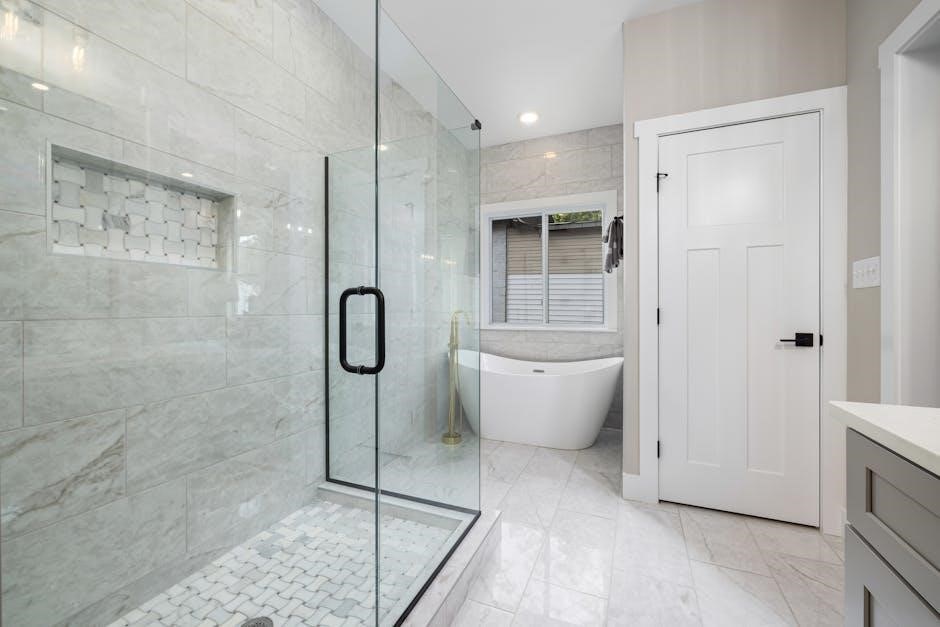
Adjusting the bottom guide ensures proper alignment and smooth operation of sliding shower doors. Start by loosening the screws or bolts securing the guide. Gently slide the guide to achieve even spacing between the door and the tub or shower floor. Use a level to ensure it’s straight. Tighten the screws once aligned. Regularly cleaning debris and soap scum from the guide can prevent misalignment. If the guide is adjustable, fine-tune it to accommodate any uneven surfaces. Proper adjustment prevents water leakage and enhances the door’s functionality, ensuring a secure and watertight seal.
Choosing the Right Bottom Guide
Selecting the right bottom guide ensures optimal functionality and durability. Consider material options like plastic or metal, size compatibility, and brand quality to match your shower door style and needs.
6.1 Material Options (Plastic, Metal, etc.)
Choosing the right material for your bottom guide is crucial for durability and functionality. Plastic guides are cost-effective, lightweight, and easy to install, making them a popular choice. However, they may wear out faster. Metal guides, such as stainless steel or aluminum, offer superior strength and longevity, resisting rust and corrosion when properly coated. For a balance, some guides combine materials, like a metal base with plastic rollers. Consider your shower door’s weight and usage to select the most suitable option for smooth operation and long-term performance.
6.2 Size and Compatibility Considerations
Choosing the right size and ensuring compatibility are vital for proper function. Measure the shower door track accurately to select a guide that fits seamlessly. Compatibility with the door material (glass, acrylic, etc.) and weight is essential for smooth operation. Guides come in standard and custom sizes, so check manufacturer specifications. Ensure the guide’s height matches the door’s thickness for optimal performance. A correct fit prevents misalignment and water leakage, ensuring long-term reliability and ease of use.
6.3 Brand and Quality Recommendations
When selecting a bottom guide, prioritize brands known for durability and reliability. High-quality materials, such as stainless steel or heavy-duty plastic, ensure longevity. Look for brands offering corrosion-resistant finishes to withstand moisture. While cheaper options may tempt, investing in a reputable brand provides better performance and fewer maintenance issues. Check for warranties or guarantees, as they reflect the manufacturer’s confidence in their product. A well-made bottom guide enhances functionality and aesthetics, making it a worthwhile investment for your shower door system.
DIY Projects for Bottom Guide Repair
DIY projects for bottom guide repair include using silicone spray for smooth sliding and adjusting rollers for proper alignment. These simple fixes enhance door functionality and prevent water leakage.
7.1 Homemade Solutions for Sticky Doors
Sticky sliding shower doors can be fixed with simple homemade solutions. Clean soap scum and mineral deposits using vinegar and baking soda. Apply silicone spray or oil to rollers for smooth operation. Adjust the bottom guide to ensure proper alignment. For stubborn issues, mix equal parts water and white vinegar in a spray bottle, apply to the tracks, and wipe clean with a soft cloth. Regular lubrication and cleaning prevent sticking and extend the door’s lifespan, ensuring effortless sliding and water containment.
7.2 Upcycling Old Bottom Guides
Upcycling old bottom guides offers a creative way to breathe new life into discarded parts. Consider repurposing them as plant holders, DIY organizers, or even as components in other household projects. Clean and refurbish the guides, then attach them to walls or surfaces for functional storage. This eco-friendly approach reduces waste and showcases your ingenuity. Additionally, you can paint or decorate them to match your bathroom aesthetic, turning old parts into unique design elements. Upcycling is both cost-effective and environmentally conscious, giving old bottom guides a new purpose beyond their original function.
7.3 Creative Hacks for Improved Functionality
Enhance your sliding shower door’s performance with simple, creative hacks. Clean tracks with a vinegar-water solution to remove soap scum and mineral deposits. Apply silicone-based lubricants to rollers for smoother sliding. For stubborn doors, adjust the alignment by loosening screws and realigning the bottom guide. Use felt pads on the door’s bottom edge to reduce friction and prevent scratching. These hacks not only improve functionality but also extend the lifespan of your shower door system, ensuring it operates seamlessly for years to come.

The Impact of Bottom Guides on Bathroom Aesthetics
Bottom guides enhance bathroom aesthetics by ensuring doors align neatly, preventing uneven gaps. They support modern designs, offering sleek, minimalist appearances that complement shower door styles and bathroom decor seamlessly.
8.1 Design Options for Modern Bathrooms
Modern bathrooms benefit from sleek bottom guides that complement contemporary designs. Stainless steel or chrome finishes offer a polished look, while minimalistic styles blend seamlessly with frameless shower doors. Adjustable and hidden guides provide a clean aesthetic, enhancing the overall appeal of the bathroom. These designs ensure functionality without compromising style, making them ideal for homeowners seeking a sophisticated, spa-like environment. By choosing the right material and finish, bottom guides can elevate the bathroom’s modern aesthetic, ensuring both beauty and practicality.
8.2 Matching Bottom Guides with Shower Door Styles
Bottom guides should complement the style of your shower doors for a cohesive look. For frameless doors, opt for sleek, low-profile guides that maintain a modern aesthetic. Framed doors pair well with durable, visible guides that match the door’s metal finish. Semi-framed doors can use versatile guides that blend functionality with style. Ensure the guide’s material and design align with the door’s hardware, such as chrome, stainless steel, or glass. Proper matching enhances the bathroom’s overall design, creating a polished and harmonious appearance while maintaining functionality and water containment.
8.3 Enhancing Bathroom Appeal with Proper Installation
Proper installation of bottom guides significantly enhances bathroom aesthetics by ensuring doors align seamlessly and operate smoothly. A well-fitted guide creates clean lines, maintaining a modern and sleek appearance. Secure installation prevents water leakage, reducing mold and mildew growth, which can detract from the bathroom’s appeal. Additionally, proper placement ensures the guides are minimally visible, allowing the shower door’s design to take center stage. This attention to detail elevates the bathroom’s overall style, making it look more polished and well-maintained while ensuring functionality and longevity.
Bottom Guides and Water Efficiency
Bottom guides play a crucial role in water efficiency by preventing leakage and reducing mold growth. Proper installation ensures doors seal tightly, minimizing water waste and maintaining hygiene.
9.1 Preventing Water Leakage
Bottom guides are vital in preventing water leakage by ensuring sliding shower doors align properly and create a tight seal. Proper installation and regular maintenance of these guides help keep water contained within the shower area. Over time, soap scum and mineral deposits can accumulate, potentially compromising the seal. Cleaning these deposits and ensuring the guides are securely attached can prevent water from escaping. Additionally, using high-quality materials, such as rubber or vinyl, for the guides enhances their ability to maintain a watertight seal, reducing the risk of leakage and water damage.
9.2 Reducing Mold and Mildew Growth
Bottom guides play a role in reducing mold and mildew growth by ensuring proper water drainage and preventing moisture accumulation. Regular cleaning of soap scum and mineral deposits from the guides helps maintain a dry environment, discouraging mold growth. Additionally, proper alignment and sealing of the shower door reduce water seepage, minimizing damp conditions where mold thrives. Drying the shower area after use and ensuring good ventilation further support these efforts, keeping the bathroom cleaner and healthier.
9.3 Energy Savings Through Proper Door Function

Properly functioning sliding shower doors contribute to energy savings by maintaining consistent bathroom temperatures. When doors seal effectively, less heated water vapor escapes, reducing the need for additional heating. This energy efficiency lowers utility bills and minimizes environmental impact. Ensuring doors slide smoothly and close securely prevents heat loss, keeping the bathroom warm and cozy. Regular maintenance of bottom guides and door alignment is crucial for optimal energy performance and long-term cost savings.
Properly installed and maintained bottom guides enhance shower door functionality, water efficiency, and bathroom aesthetics. Regular maintenance ensures optimal performance and longevity, providing a seamless showering experience.
10.1 Summary of Key Points
Sliding shower door bottom guides are crucial for smooth operation, water containment, and door alignment. They address common issues like sticking doors and leakage. Proper installation, regular cleaning, and lubrication ensure longevity. Adjustable and replaceable guides offer flexibility, while fixed ones provide stability. Troubleshooting problems like misalignment or mineral buildup is essential for optimal performance. Choosing the right material and size enhances functionality and aesthetics. Regular maintenance and inspections prevent mold growth and water inefficiency, ensuring a seamless showering experience and extending the life of your shower doors.
10.2 Final Tips for Optimal Performance
For optimal performance, regularly clean bottom guides to prevent soap scum and mineral buildup. Lubricate moving parts with silicone-based sprays to ensure smooth sliding. Inspect and adjust guides periodically to maintain proper alignment. Replace worn-out components promptly to avoid water leakage and operational issues. Consider upgrading to adjustable or replaceable guides for long-term convenience. By following these tips, you can enhance the functionality, durability, and aesthetic appeal of your sliding shower doors, ensuring a hassle-free and enjoyable showering experience.
 star ocean the second story r trophy guide
  whatsapp guide pro gamer
  honeywell ademco vista 20p user guide
  pocket guide to adoration
  tv guide greenville sc
  harvest right troubleshooting guide
  tlso brace instructions pdf
  minna no nihongo japanese pdf
  c5 manual transmission
  arithmetic sequences worksheet with answers pdf