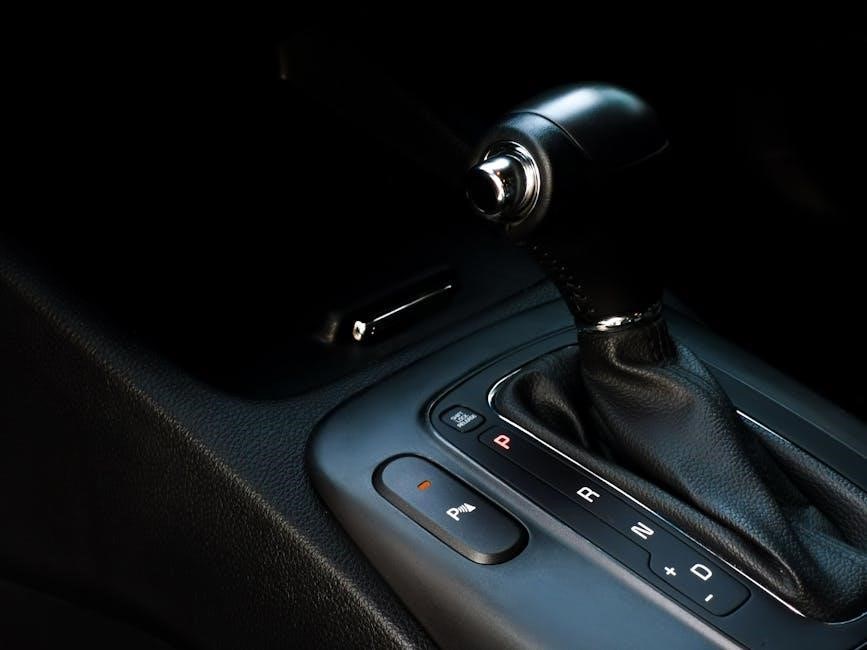
Small manual transmissions, or stick shifts, have historically been vital in automotive engineering, offering a direct connection between engine and wheels.
Despite declining popularity, they remain relevant due to their simplicity, efficiency, and engaging driving experience, appealing to enthusiasts and budget-conscious buyers.
What is a Small Manual Transmission?
A small manual transmission is a type of gearbox used in vehicles that allows the driver to manually select different gear ratios; Unlike automatic transmissions, it requires the driver to operate a clutch pedal and a gear stick to change gears, providing a direct mechanical link between the engine and the wheels.
These transmissions are commonly found in smaller vehicles, like compact cars and some motorcycles, where space and weight are critical considerations. They are characterized by their relatively simple design and lower production costs compared to more complex automatic systems. The “small” designation refers to its physical size and the torque capacity it’s designed to handle, typically found in engines with lower horsepower outputs.
Historical Overview of Manual Transmissions
The origins of manual transmissions trace back to the late 19th century, coinciding with the advent of the automobile itself. Early vehicles universally employed manual gearboxes, as the technology for automatic systems hadn’t yet been developed. These early systems were rudimentary, often featuring direct-drive and low gear ratios.
Throughout the 20th century, manual transmissions evolved significantly, becoming more refined with synchronized gears and improved shifting mechanisms. They remained dominant for decades, only gradually losing ground to automatics in the latter half of the century. Despite a decline in overall popularity, manual transmissions continue to hold a niche appeal, particularly among driving enthusiasts who value control and engagement.
Components of a Small Manual Transmission
A small manual transmission comprises several key components working in harmony; The clutch, operated by the driver, disengages and re-engages power from the engine to the transmission. Gears, of varying sizes, provide different torque and speed ratios. The input shaft receives power from the engine, while the output shaft delivers it to the driveshaft.
Synchronizers facilitate smooth gear changes by matching the speeds of the gears before engagement. A shift fork, controlled by the gear lever, moves the synchronizers. Finally, the transmission housing encases all these components, providing structural support and lubrication.
Advantages of Small Manual Transmissions
Manual transmissions offer enhanced fuel efficiency, greater driver control, lower initial costs, and a simpler mechanical design compared to automatic counterparts;
Enhanced Fuel Efficiency
Small manual transmissions consistently demonstrate superior fuel economy compared to automatic transmissions. This advantage stems from the direct mechanical link between the engine and wheels, minimizing energy loss. Automatic transmissions utilize a torque converter, which, while convenient, introduces slippage and reduces efficiency.
With a manual system, drivers have precise control over engine RPM, allowing them to select the optimal gear for any given speed and load. This precise control translates directly into reduced fuel consumption, particularly during highway driving and steady-state cruising. Furthermore, the lighter weight of many manual transmission components contributes to overall vehicle efficiency, further enhancing fuel savings.
Greater Driver Control
Small manual transmissions empower drivers with a level of control unmatched by automatic systems. The direct connection allows for precise gear selection, enabling optimal engine braking and responsiveness. Drivers can actively manage power delivery, choosing the ideal gear for acceleration, deceleration, or maintaining speed on varied terrain.
This control is particularly valuable in challenging driving conditions, such as mountainous roads or inclement weather. The ability to downshift for increased engine braking provides superior control during descents, while precise gear selection enhances traction on slippery surfaces. Enthusiasts appreciate this direct engagement, fostering a more connected and rewarding driving experience.
Lower Initial Cost
Small manual transmissions generally contribute to a lower vehicle purchase price compared to their automatic counterparts. The mechanical simplicity of a manual gearbox translates to reduced manufacturing costs, savings often passed on to the consumer. Fewer complex components mean less expensive assembly and potentially lower repair bills over the vehicle’s lifespan.
While the price gap has narrowed in recent years, a manual transmission often remains the more budget-friendly option, particularly in entry-level vehicles. This affordability makes them attractive to first-time car buyers or those prioritizing cost savings. The initial investment can free up funds for other features or upgrades.
Simpler Mechanical Design
Small manual transmissions boast a fundamentally simpler mechanical design than automatic transmissions. They rely on a direct physical connection – gears, shafts, and a clutch – to transfer power from the engine to the wheels, lacking the complex hydraulic systems and planetary gearsets found in automatics. This simplicity translates to fewer potential points of failure and, generally, easier diagnostics.
The reduced complexity also makes manual transmissions more straightforward to understand and repair for those with mechanical aptitude. While modern vehicles incorporate sophisticated electronic controls, the core principles of a manual gearbox remain relatively unchanged, contributing to its enduring appeal among enthusiasts and mechanics alike.
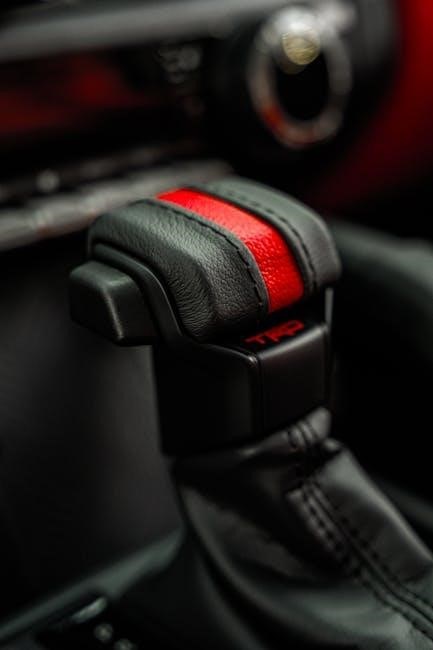
Disadvantages of Small Manual Transmissions
Small manual transmissions present challenges like a steeper learning curve, increased driver effort, potential for stalling, and difficulties during hill starts for some drivers.
Steeper Learning Curve
Operating a small manual transmission demands a skillset not required with automatics, presenting a notably steeper learning curve for novice drivers. Mastering the coordination between the clutch pedal, gear shifter, and accelerator requires practice and patience. Initially, drivers often experience difficulty achieving smooth gear changes, leading to jerky movements and potential stalling.
Unlike the simplicity of “drive” and “reverse” in automatic systems, a manual transmission necessitates understanding gear ratios and selecting the appropriate gear for varying driving conditions. This can be overwhelming for beginners, requiring focused attention and a willingness to overcome initial frustrations. The coordination needed isn’t intuitive, demanding muscle memory development over time.
More Driver Effort Required
Driving a vehicle equipped with a small manual transmission inherently demands significantly more physical and mental effort from the driver compared to an automatic. Constant engagement with the clutch pedal and gear shifter, particularly in stop-and-go traffic, can become fatiguing over extended periods.
This continuous operation requires active participation and concentration, unlike the relaxed experience offered by automatic transmissions. Drivers must proactively select the correct gear for each situation, anticipating changes in speed and road conditions. The need for constant input diminishes the convenience factor, making manual transmissions less appealing for those prioritizing ease of use and comfort during their commute.
Potential for Stall
A common challenge for novice drivers of vehicles with a small manual transmission is the potential to stall the engine. This occurs when the clutch is released too quickly, or an incorrect gear is selected for the vehicle’s speed, interrupting power delivery.
Stalling can be embarrassing and momentarily disruptive, especially in traffic. Recovering from a stall requires quickly re-engaging the clutch and restarting the engine. While experienced drivers can mitigate this risk through practice and coordination, it remains a significant hurdle for beginners. The learning curve involves mastering the delicate balance between clutch control and gear selection to prevent unwanted stalls.
Hill Start Challenges
Starting a vehicle equipped with a small manual transmission on an incline presents a unique challenge. Without the automatic hill-hold assist found in many modern vehicles, drivers must coordinate the clutch, brake, and accelerator to prevent rolling backward.
This requires quickly transitioning the foot from the brake to the accelerator while simultaneously releasing the clutch, demanding precise timing and coordination. Failure to do so smoothly can result in a noticeable rollback, potentially causing a collision or creating an awkward situation. Mastering this technique is crucial for confident and safe hill starts with a manual transmission.

How a Small Manual Transmission Works
A small manual transmission utilizes a clutch to engage and disengage power, allowing drivers to select optimal gear ratios for speed and torque.
The Role of the Clutch
The clutch is a fundamental component within a small manual transmission, acting as the crucial link between the engine’s power and the transmission itself. Its primary function is to smoothly engage and disengage the engine from the drivetrain, enabling gear changes without causing jarring or damage.
When the clutch pedal is depressed, it separates the engine’s flywheel from the transmission’s input shaft, interrupting power flow. This allows the driver to safely select a different gear. Releasing the pedal gradually re-establishes the connection, transferring power through the selected gear ratio.
Proper clutch operation is essential for smooth starts, shifts, and preventing stalling. Wear and tear on the clutch disc necessitate eventual replacement, a key aspect of manual transmission maintenance.
Gear Ratios and Their Impact
Gear ratios within a small manual transmission are pivotal in determining a vehicle’s performance characteristics. Lower gear ratios (like first or second) provide increased torque for acceleration and climbing hills, but limit top speed. Conversely, higher gear ratios (fifth or sixth) prioritize fuel efficiency and cruising speed at the expense of immediate power.
Each gear represents a different ratio between the engine’s rotational speed and the wheels’ rotational speed. Selecting the appropriate gear allows the driver to optimize engine output for varying driving conditions.
Understanding these ratios and how they affect power delivery is key to efficient and enjoyable driving with a manual transmission.
The Shifting Mechanism Explained
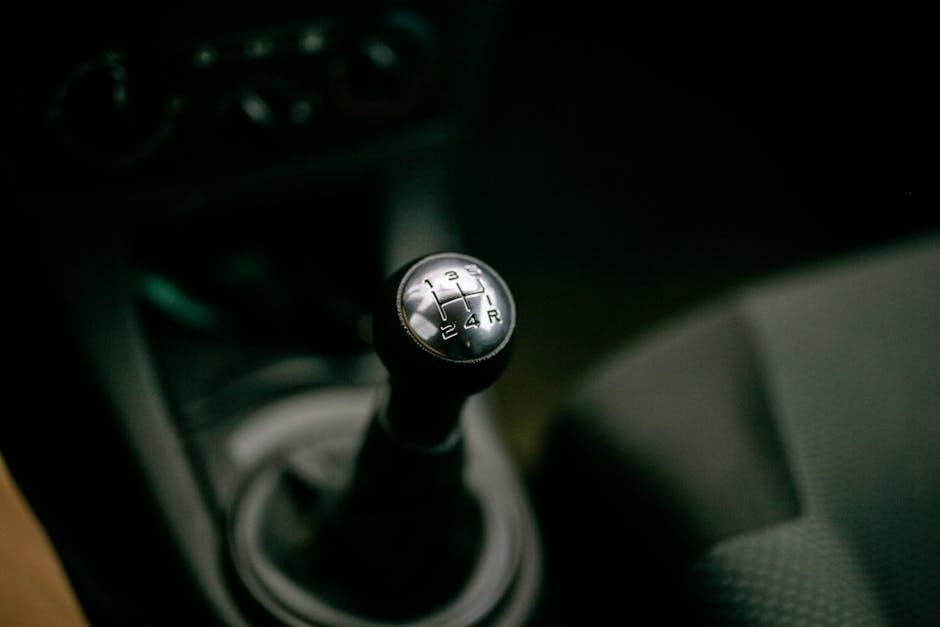
The shifting mechanism in a small manual transmission is a carefully engineered system connecting the gear selector to the internal gears. When the driver moves the shift lever, it actuates shift forks which slide synchronizers into engagement with the desired gear.
Synchronizers are crucial; they match the speed of the selected gear to the output shaft, preventing grinding and enabling smooth gear changes. Linkages, often utilizing cables or rods, transmit the driver’s input to the transmission itself.
Precise alignment and proper lubrication are vital for reliable and effortless shifting, contributing to the overall driving experience.
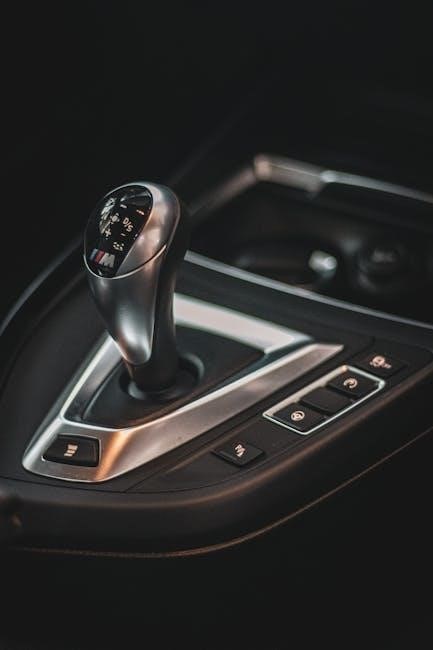
Small Manual Transmission vs. Automatic Transmission
Manual and automatic transmissions differ significantly in driver involvement, cost, and complexity, impacting driving feel and maintenance needs for vehicle owners.
Cost Comparison
Generally, vehicles equipped with small manual transmissions present a lower initial purchase price compared to their automatic counterparts. This price difference stems from the simpler mechanical design and fewer components required in a manual system. However, the long-term cost picture can be more nuanced.
While the transmission itself may be cheaper to replace if necessary, potential clutch replacements – a wear item unique to manual transmissions – add to the overall ownership cost. Automatic transmissions, while initially more expensive, often have longer service intervals and potentially lower repair costs for certain components. Ultimately, the total cost depends on driving habits, vehicle maintenance, and the longevity of each system.
Driving Experience Comparison
The driving experience differs significantly between small manual transmissions and automatics. Manuals offer a heightened sense of control and driver engagement, allowing precise gear selection and a more connected feel to the vehicle. Drivers appreciate the directness and responsiveness, particularly during spirited driving.
Automatic transmissions prioritize convenience and ease of use, requiring minimal driver input. While modern automatics offer manual shift modes, they often lack the raw, tactile feedback of a true stick shift. Some drivers find the lack of shifting feel in CVTs, a type of automatic, less engaging. The choice ultimately depends on individual preferences – control versus convenience.
Maintenance Differences
Small manual transmissions generally require less frequent and less complex maintenance compared to automatic transmissions. However, specific components demand attention. Clutch maintenance, including inspection and eventual replacement, is unique to manual systems and represents a significant cost.
Regular fluid checks and changes are crucial for both types, but manual transmissions typically use a different fluid type. CVTs, a type of automatic, can be more challenging and costly to repair due to their unique design. Overall, while automatics may have more sophisticated systems needing specialized attention, manual transmissions necessitate clutch-related upkeep.
Maintaining a Small Manual Transmission
Consistent fluid checks, timely changes, and diligent clutch maintenance are essential for longevity. Addressing issues promptly prevents costly repairs and ensures smooth operation.
Fluid Checks and Changes
Regularly checking the transmission fluid level is paramount for a healthy small manual transmission. Low fluid can cause grinding gears and premature wear, while overfilling can lead to leaks and aeration. Inspect the fluid’s color and smell; it should be a clear amber and free of metallic particles or a burnt odor.
Fluid changes are crucial, typically recommended every 30,000 to 60,000 miles, depending on driving conditions. Using the manufacturer-specified fluid type is vital, as incorrect fluids can damage internal components. A complete flush, versus a simple drain and fill, can be beneficial for removing accumulated debris. Proper fluid maintenance significantly extends the transmission’s lifespan and ensures optimal performance.
Clutch Maintenance and Replacement
The clutch is a critical wear item in a small manual transmission. Proper clutch operation is essential for smooth shifting and preventing damage. Signs of a failing clutch include slipping (engine revs high without proportional speed increase), difficulty shifting, or a spongy pedal feel. Avoid “riding” the clutch, as this accelerates wear.
Regular inspection of the clutch cable or hydraulic system is important. Replacement typically involves removing the transmission, making it a relatively labor-intensive repair. Costs vary depending on the vehicle and parts used. Addressing clutch issues promptly prevents further damage to the transmission and ensures continued drivability.
Common Issues and Troubleshooting
Small manual transmissions can experience several common issues. Grinding gears often indicate improper shifting technique or a worn synchronizer. Difficulty shifting may stem from a faulty clutch cable, low transmission fluid, or internal damage. Unusual noises, like whining or clunking, could signal bearing or gear problems.
Troubleshooting begins with checking fluid levels and inspecting the shift linkage. A worn clutch is a frequent culprit for many issues. If problems persist, professional diagnosis is recommended to avoid further damage. Ignoring these symptoms can lead to costly repairs or complete transmission failure.
Driving Techniques for Small Manual Transmissions
Mastering a small manual transmission requires smooth clutch engagement, precise shifting, and understanding gear ratios for optimal control and driving enjoyment.
Proper Shifting Techniques
Executing smooth gear changes in a small manual transmission is fundamental to a pleasant driving experience and preserving the vehicle’s components. Begin by fully depressing the clutch pedal before moving the gear lever to the desired position.
Coordinate the release of the clutch with a gentle application of the accelerator. Avoid abrupt clutch drops or excessive revving, as these can cause jerky movements and unnecessary wear.
Downshifting should be performed to match engine speed to road speed, preventing strain on the drivetrain. Anticipate upcoming stops or hills and select a lower gear accordingly, ensuring a controlled and efficient deceleration. Practice makes perfect, leading to intuitive and seamless shifts.
Smooth Clutch Engagement
Achieving smooth clutch engagement is crucial for comfortable starts, gear changes, and preventing stalling in a small manual transmission vehicle. The key lies in finding the “friction point” – the point where the clutch begins to transmit power.
Slowly release the clutch pedal while simultaneously applying gentle pressure to the accelerator. Listen to the engine; a slight drop in RPM indicates you’re nearing the friction point.
Hold the clutch momentarily at this point, allowing the engine and transmission to synchronize before fully releasing the pedal. Practice this coordination to minimize jerking and ensure a fluid, controlled launch or gear transition.

Heel-Toe Downshifting
Heel-toe downshifting is an advanced technique used in small manual transmission vehicles to smoothly match engine speed during downshifts, preventing disruptive gear changes. It involves simultaneously braking with the ball of your foot and “blipping” the throttle with your heel.
As you brake, quickly tap the accelerator with your heel to raise the engine RPM to match the lower gear. Simultaneously, depress the clutch and shift down.
Releasing the clutch becomes smoother as engine speeds are aligned, reducing jerkiness and maintaining vehicle stability, particularly during cornering. Mastering this technique requires practice and coordination.
The Future of Small Manual Transmissions
Small manual transmissions face declining sales, yet persist due to enthusiast demand and niche applications, potentially benefiting from future technological refinements.
Declining Popularity Trends
The prevalence of small manual transmissions has demonstrably decreased over recent decades, mirroring a broader shift in consumer preference towards automatic and continuously variable transmissions (CVTs). This decline is largely attributed to the increased convenience and ease of use offered by automated systems. Modern automatic transmissions, with their numerous gears and sophisticated control algorithms, often match or even surpass manual transmissions in fuel efficiency and acceleration.
Furthermore, the growing emphasis on driver comfort and reduced driver workload has fueled the demand for automatic options. A smaller percentage of new vehicles now offer a manual transmission, indicating a significant trend away from stick shifts. This trend is particularly pronounced in North America, where automatics dominate the market, though enthusiast communities continue to champion the manual driving experience.
Niche Applications and Enthusiast Demand
Despite the overall decline, small manual transmissions persist in specific niche applications where their benefits are highly valued. Sports cars and performance vehicles frequently retain manual options, catering to drivers who prioritize control and engagement. Certain truck and off-road vehicle segments also see continued demand, appreciating the durability and direct power delivery of a manual gearbox.
A dedicated enthusiast community actively seeks out and preserves the manual driving experience. These drivers value the connection to the vehicle, the skill involved in precise shifting, and the overall sense of control. This demand sustains a small but vital market for manual transmission vehicles and aftermarket components, ensuring its continued, albeit limited, existence.
Potential Technological Advancements
While facing displacement, small manual transmissions aren’t entirely stagnant in development. Innovations focus on enhancing the driving experience and addressing inherent limitations. Automated rev-matching systems, now appearing in some performance cars, simplify heel-toe downshifting, making manual transmissions more accessible.
Further advancements could involve electronically assisted shifting, reducing shift effort and improving speed. Lightweight materials and optimized gear designs could improve efficiency. Hybridization presents another avenue, potentially combining a small manual with an electric motor for enhanced fuel economy and performance. These technologies aim to preserve the core appeal of a manual while modernizing its functionality.
 manual step by step rainbow loom instructions printable
  four winns service manual pdf free
  davinci charlie 4-in-1 convertible crib manual
  dupont manual lockdown
  merlin home transmitter manual
  geography textbook activity manual pdf
  solving logarithmic equations worksheet with answers pdf
  star ocean the second story r trophy guide
  2001 a space odyssey pdf